The very first Kilimanjaro Trail pilot edition runs from 15 to 24 February 2027, with only a very limited number of places. Your outbound flight is on 14/02 in the evening and your trek runs from 16 to 23 February.

Eight days to the summit of Kilimanjaro on the Lemosho Route
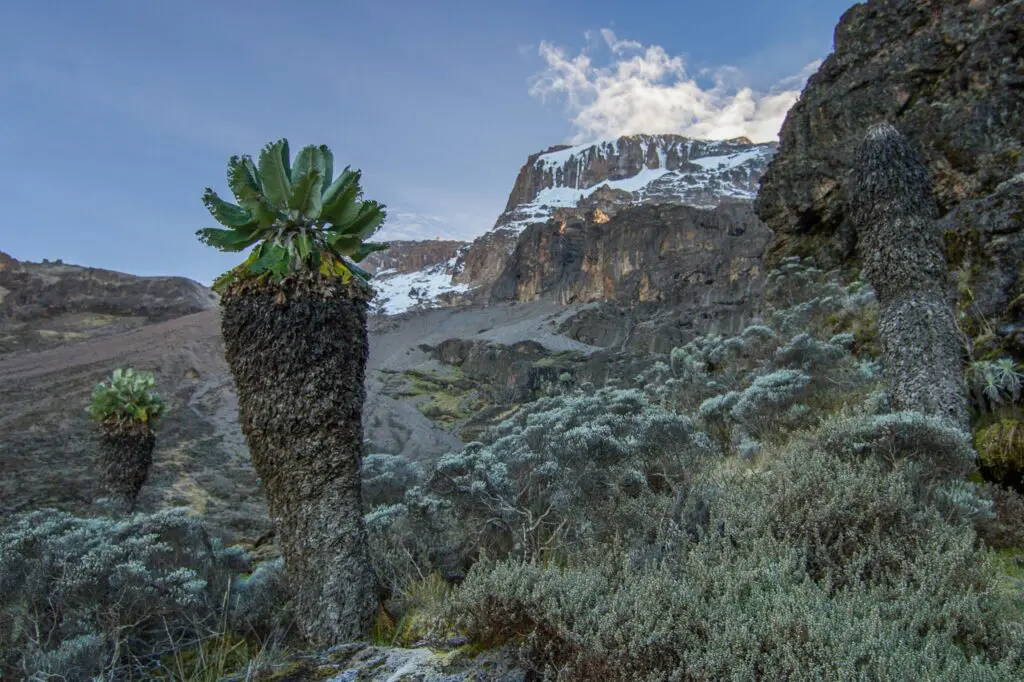
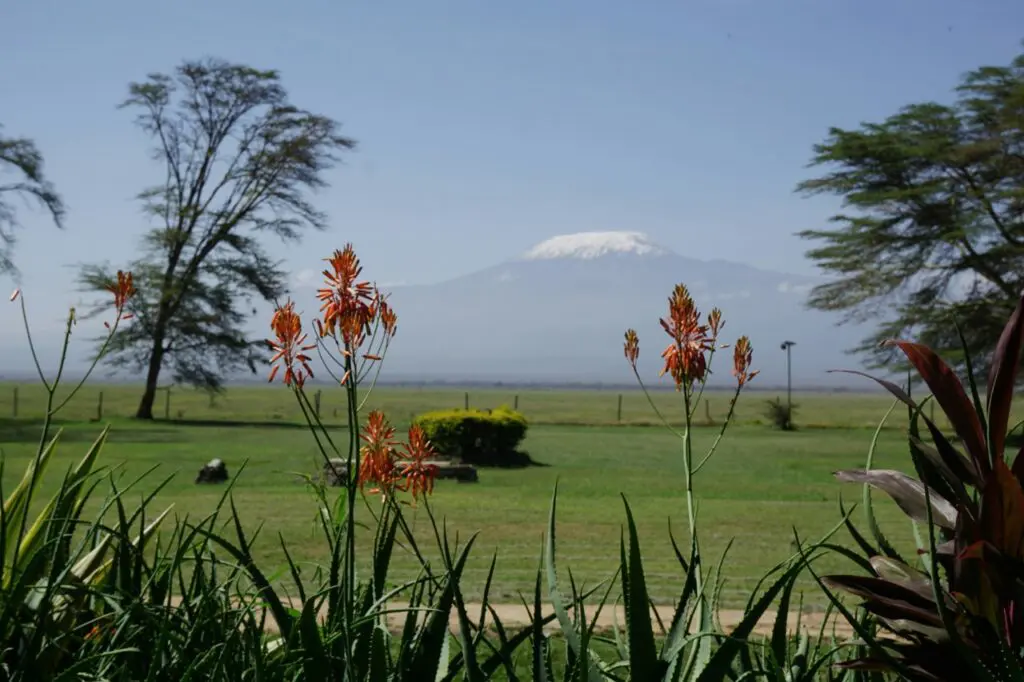
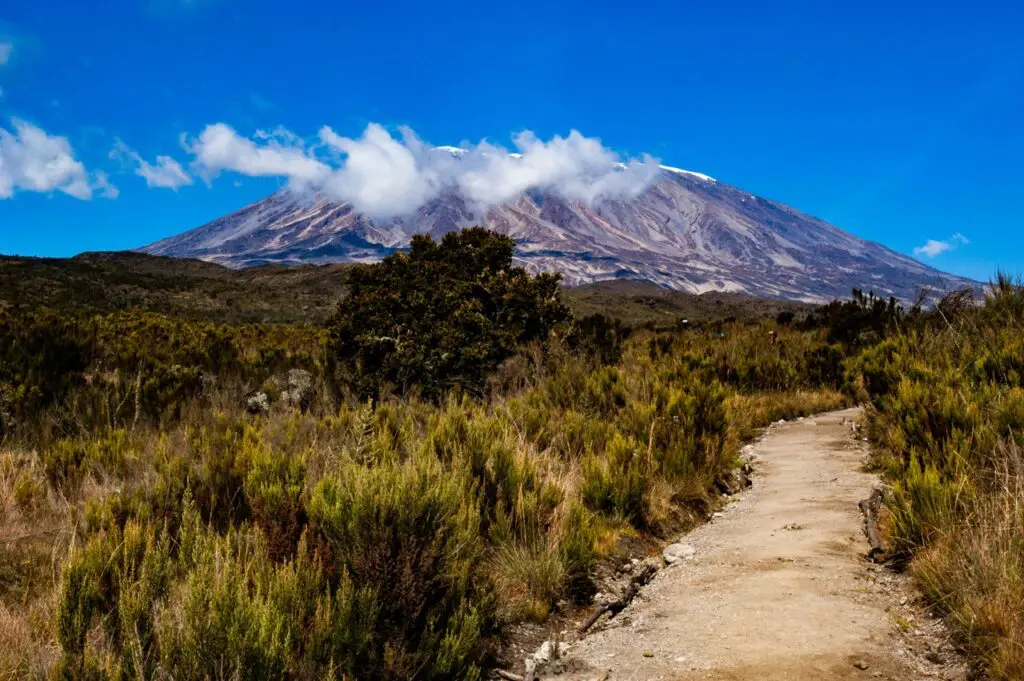
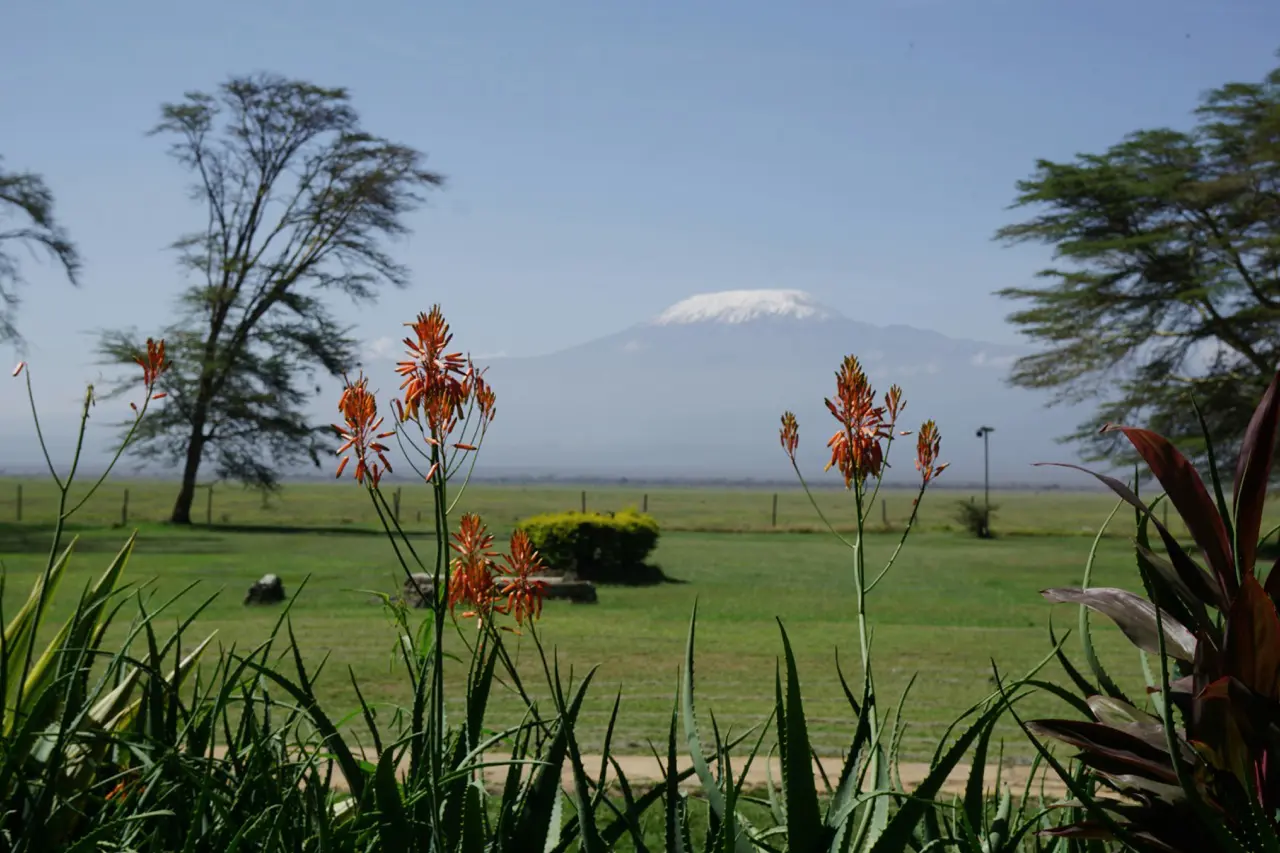
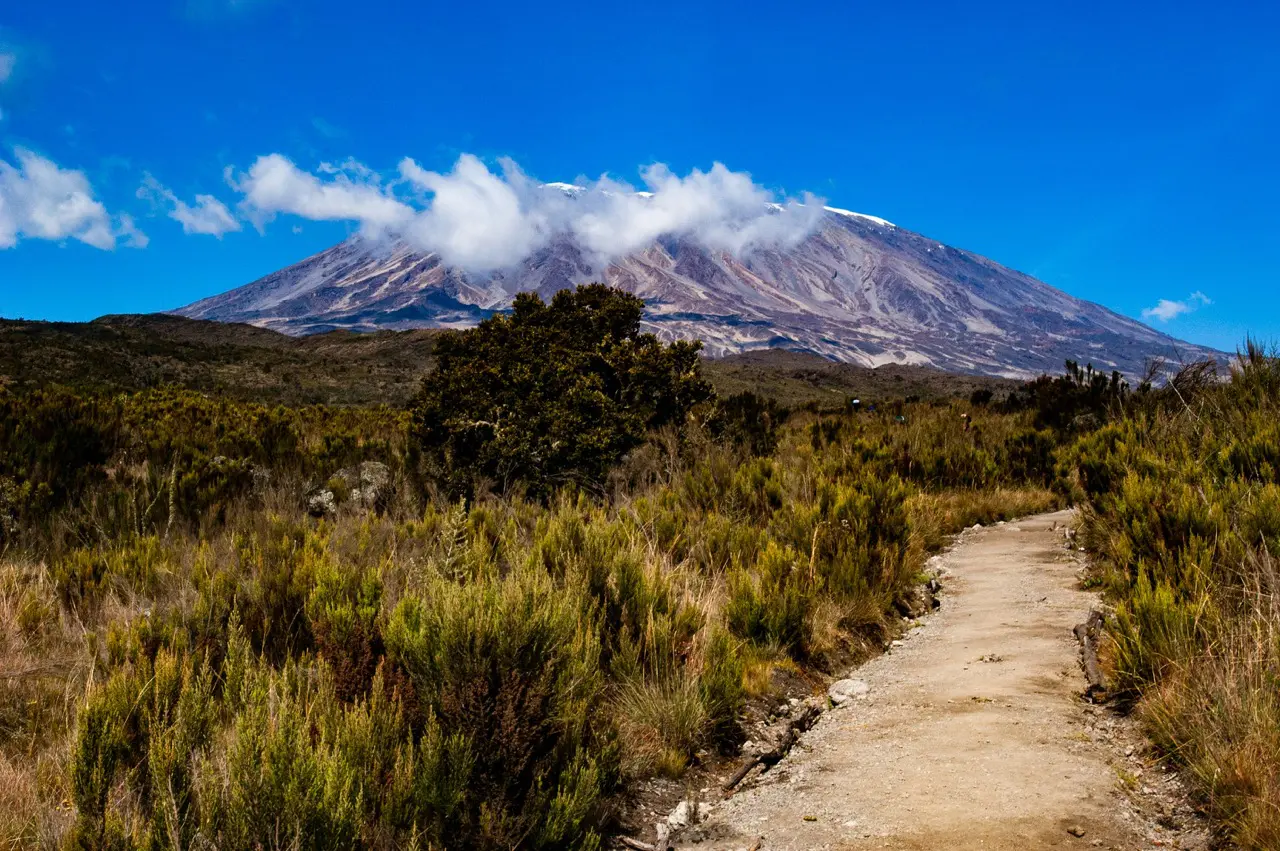
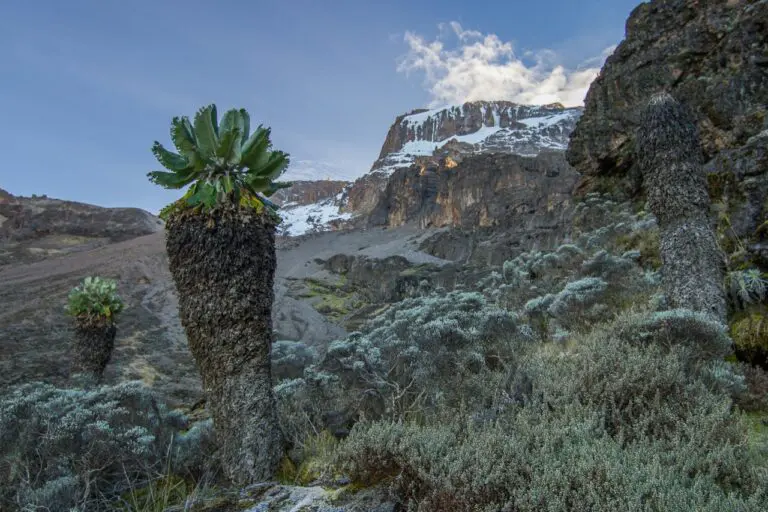
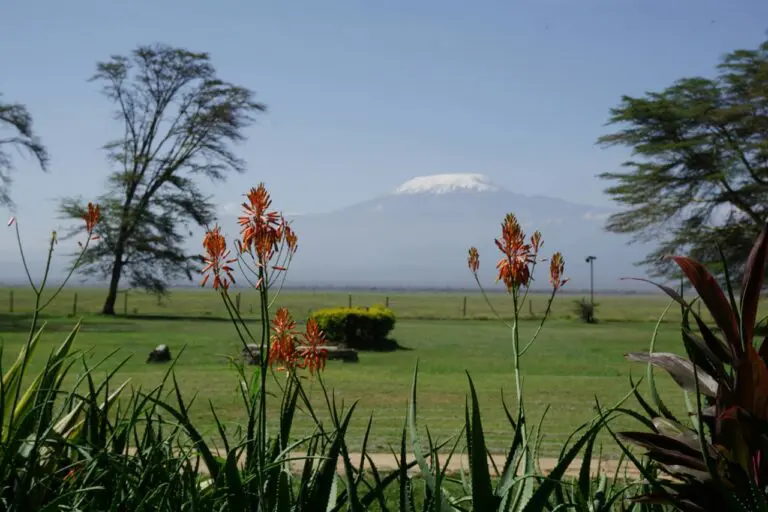
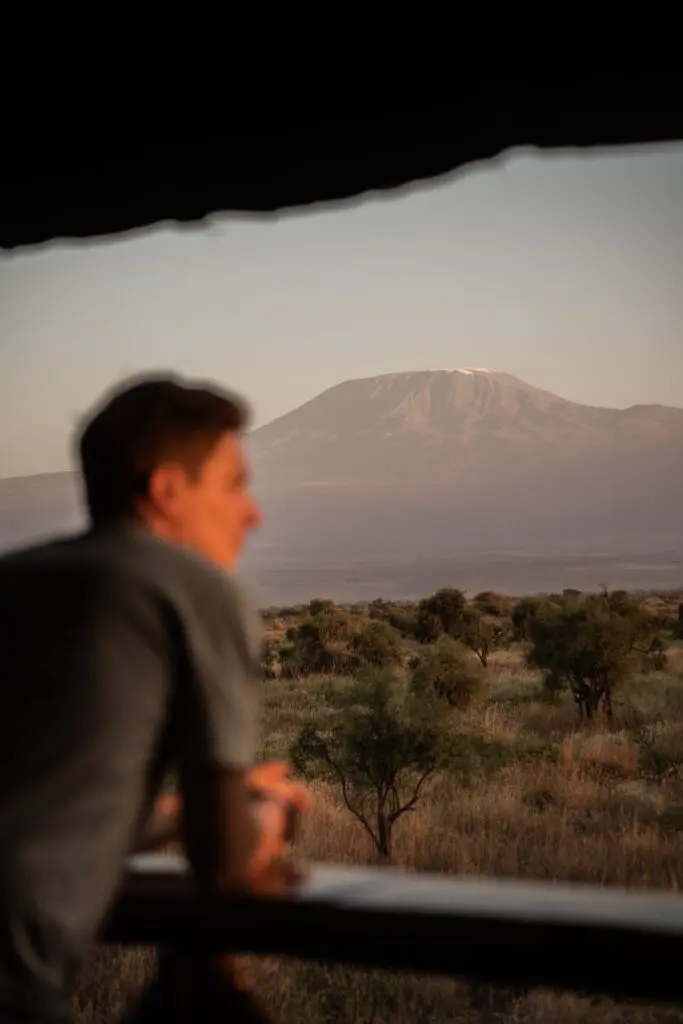
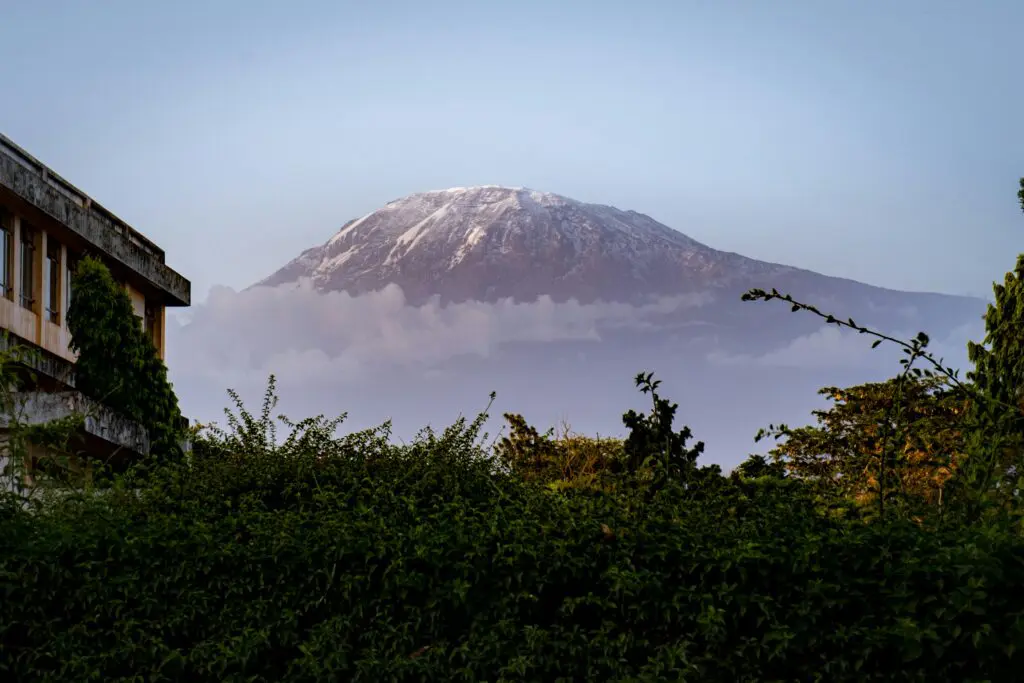
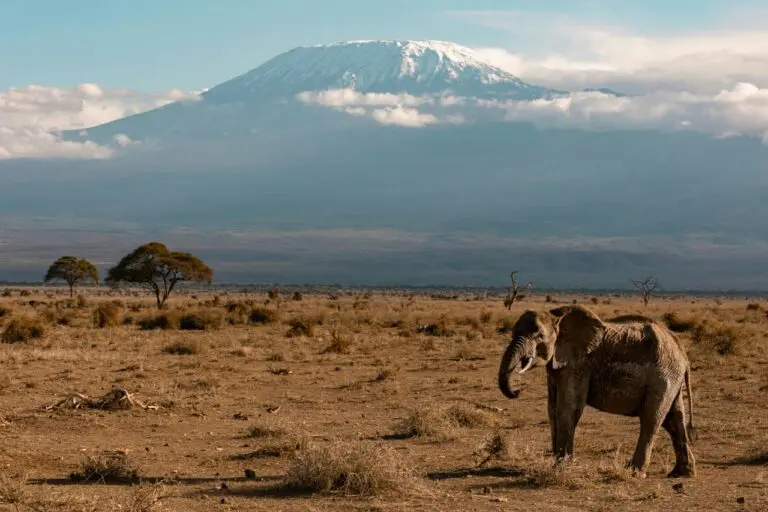
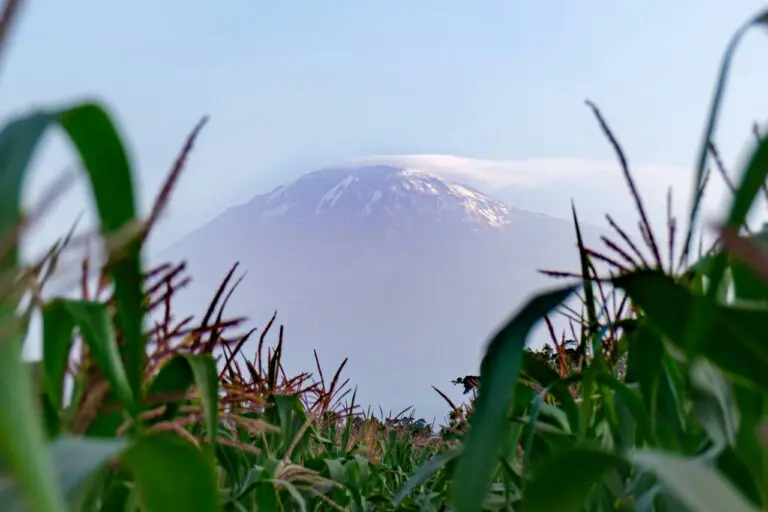
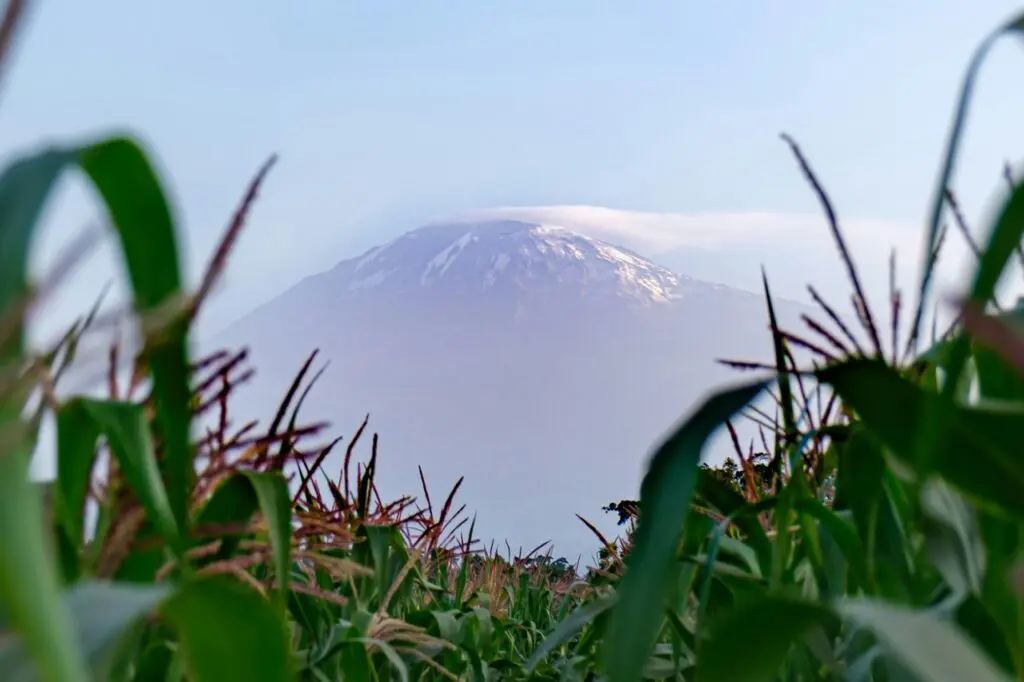
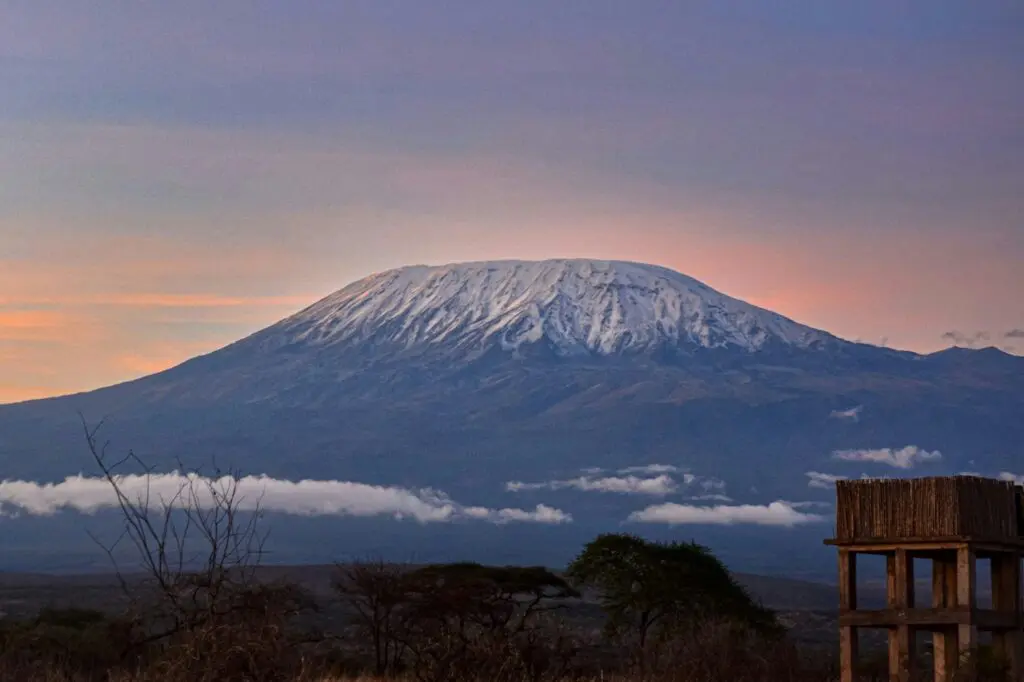
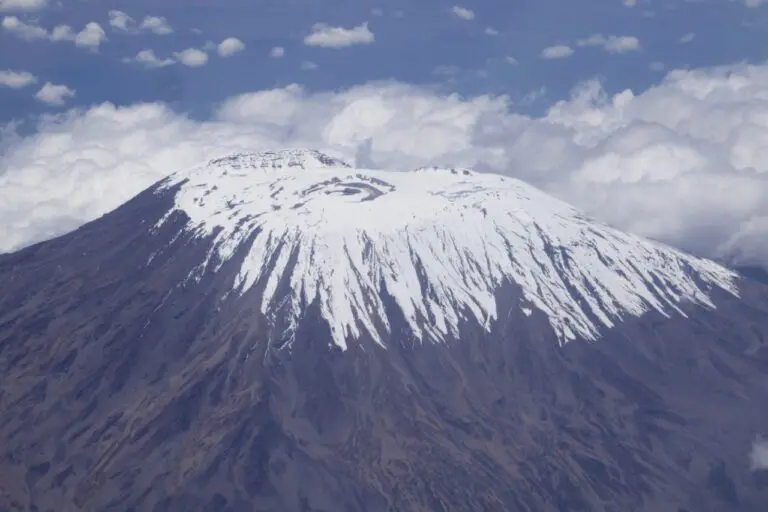
Kilimanjaro is the highest mountain in Africa and the tallest free-standing mountain in the world, yet one of the very few that size you can simply walk up, no rope, no ice axe. We take the Lemosho Route, which starts at Londorossi Gate on the quiet western side and takes the long way round, so your body has time to adjust to the altitude. We give it eight days, with an extra night on the Shira Plateau.
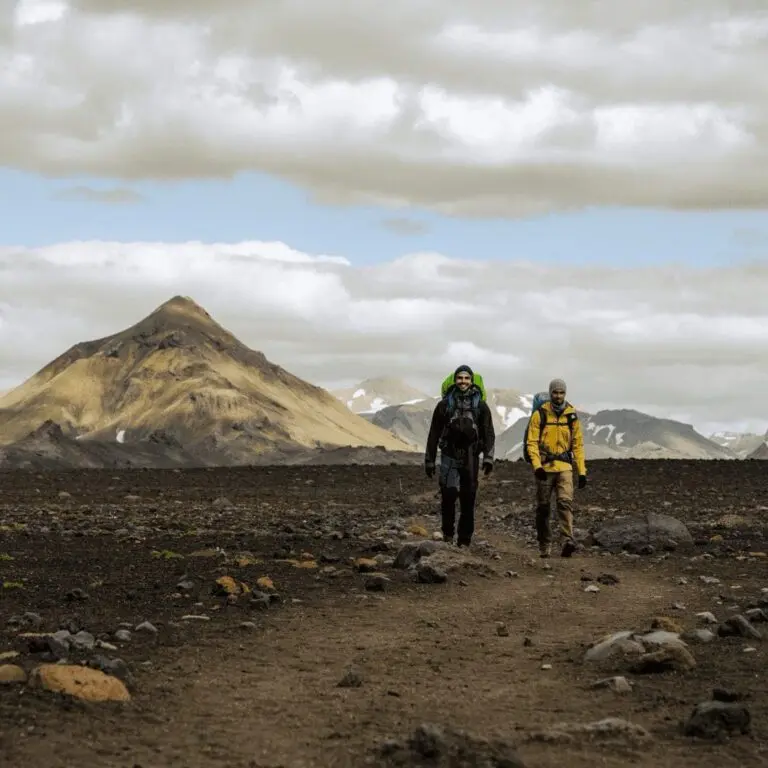
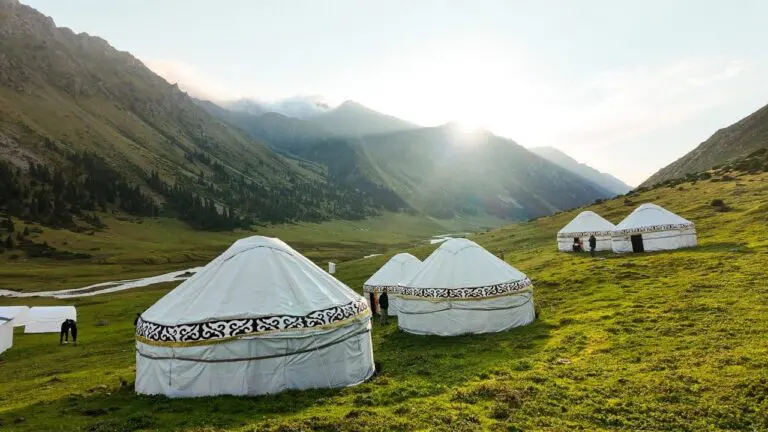
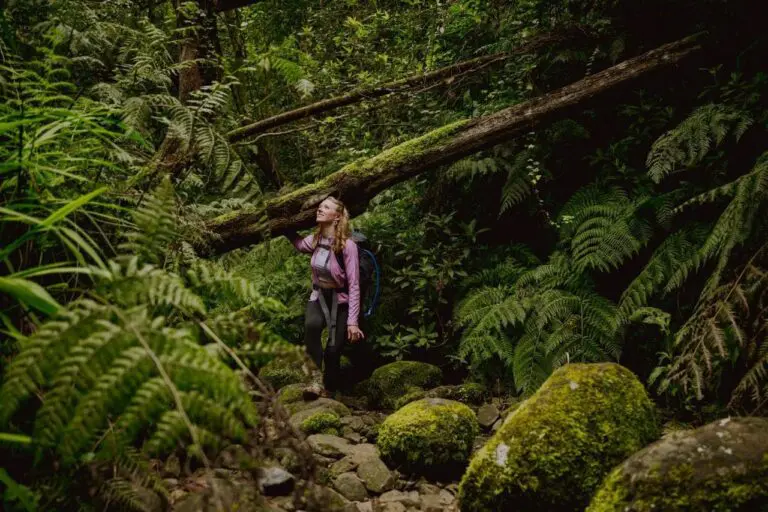
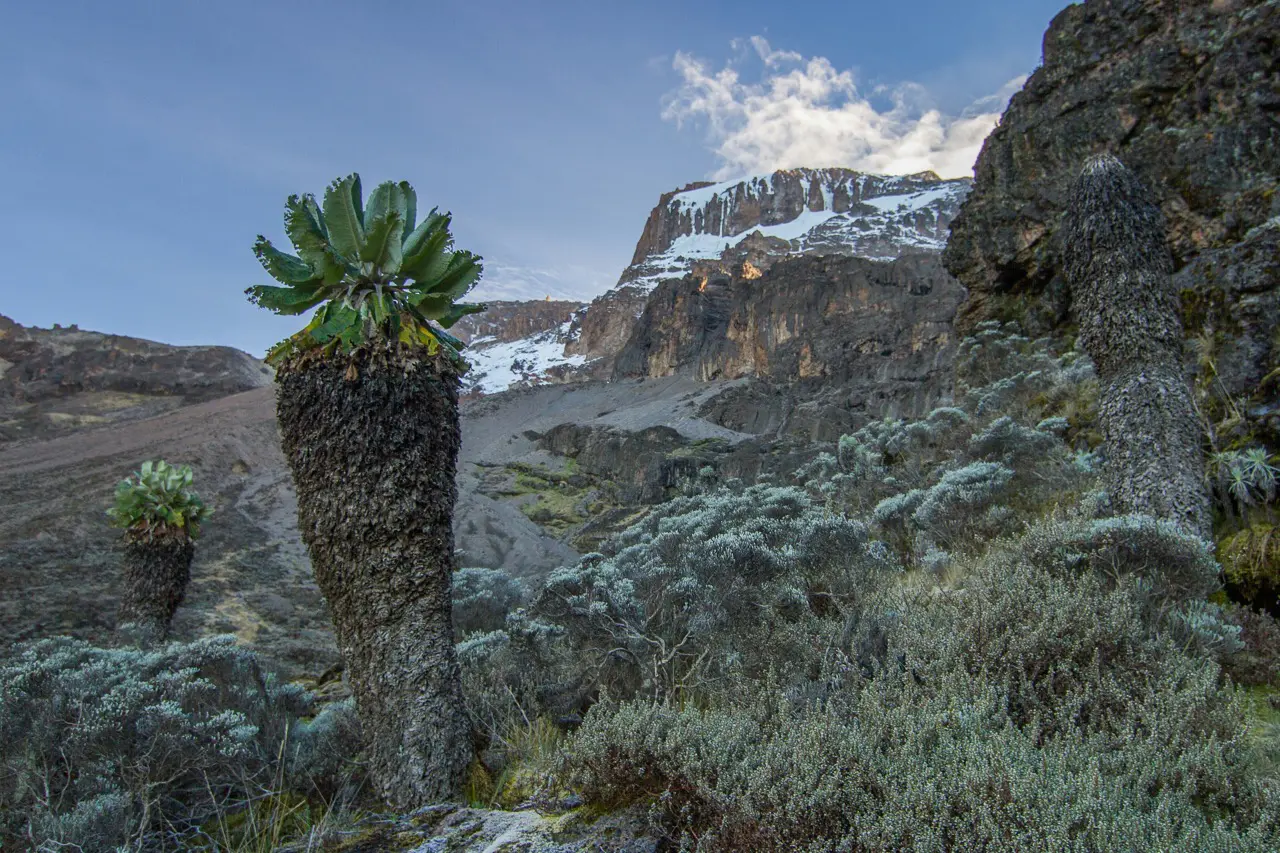
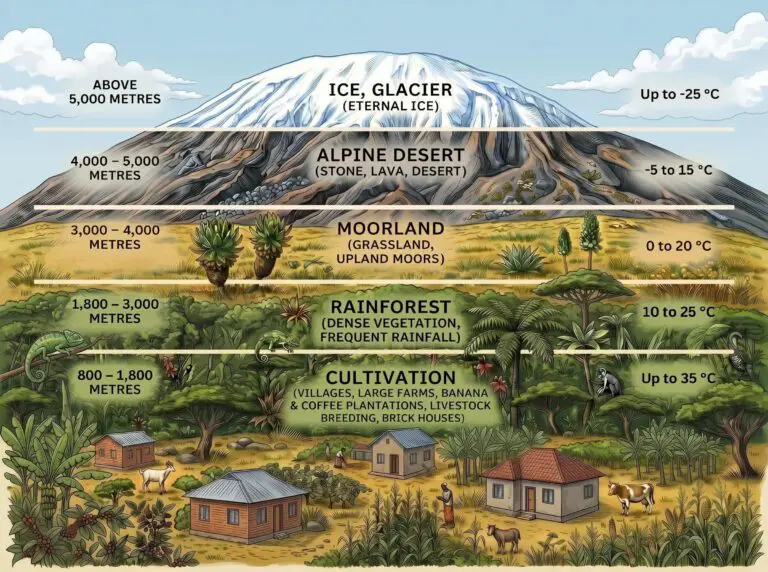
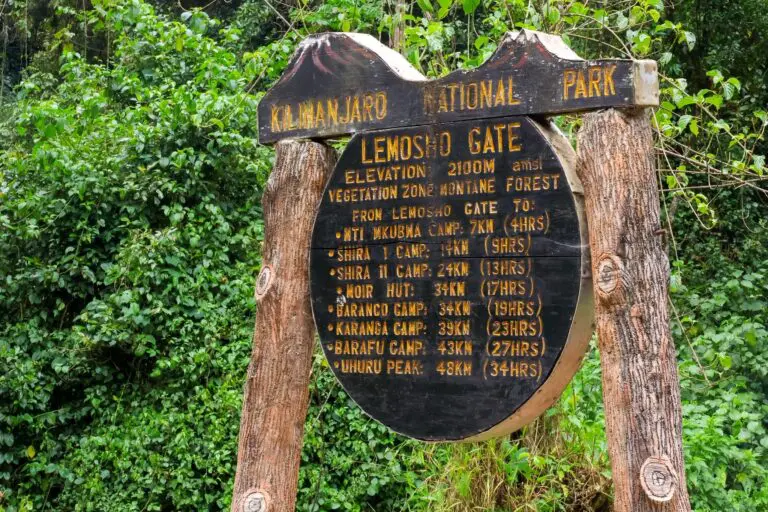
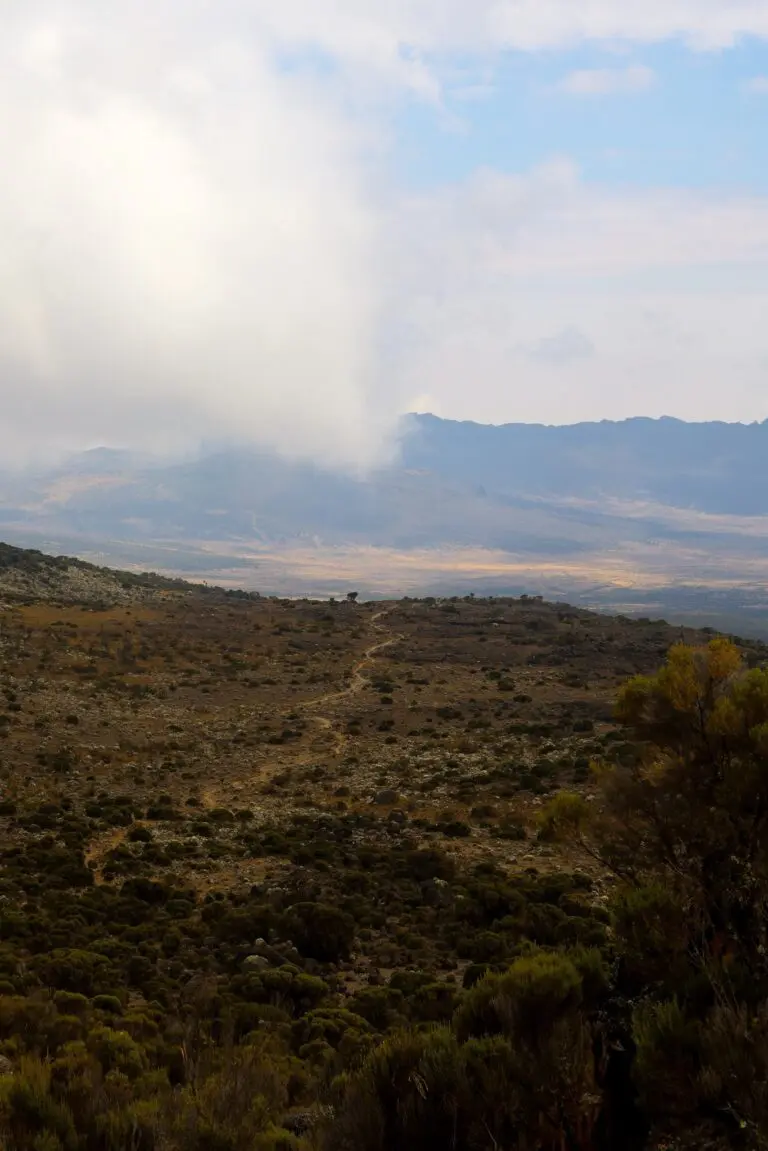
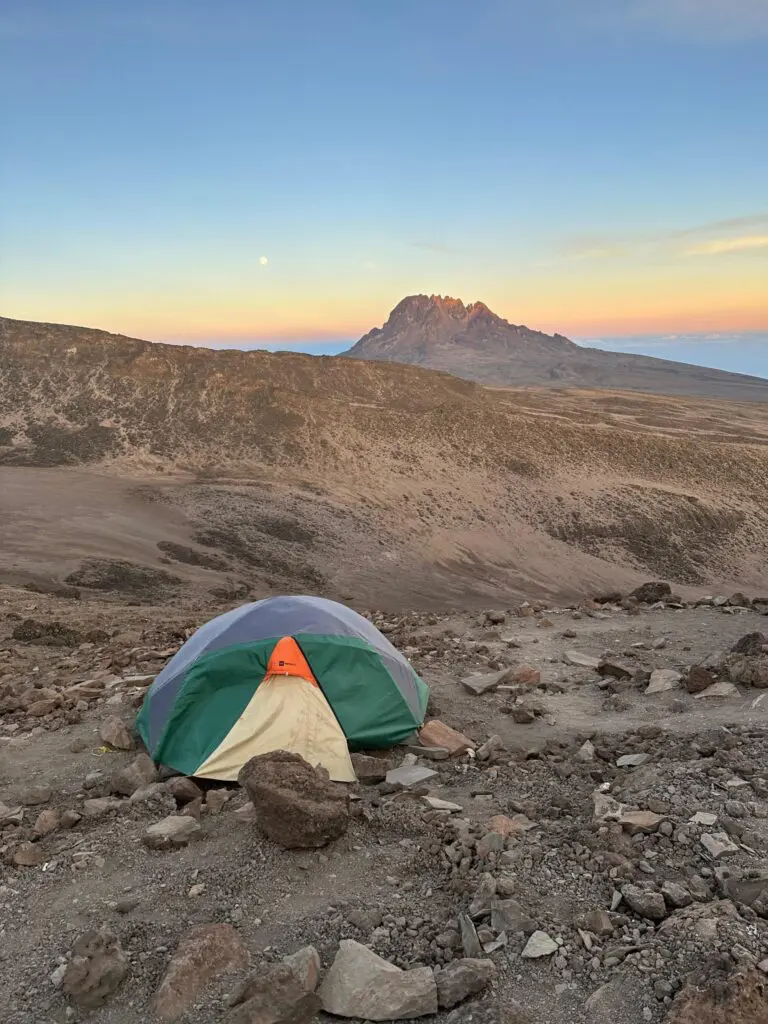
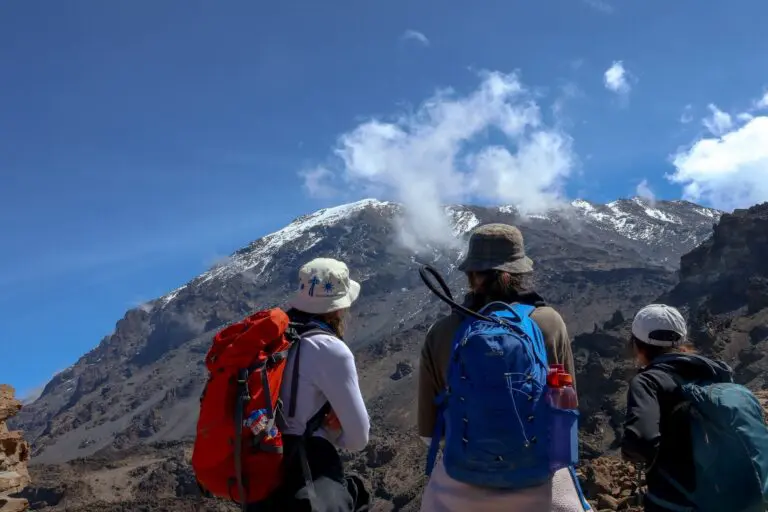
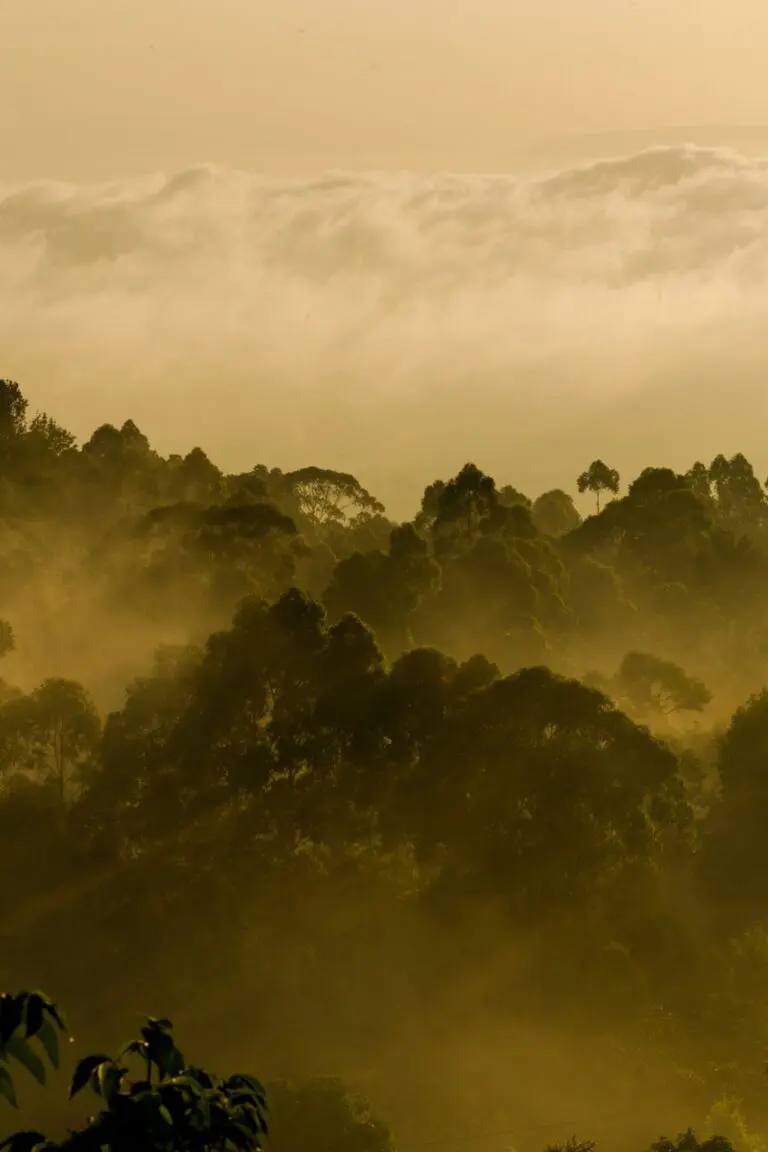
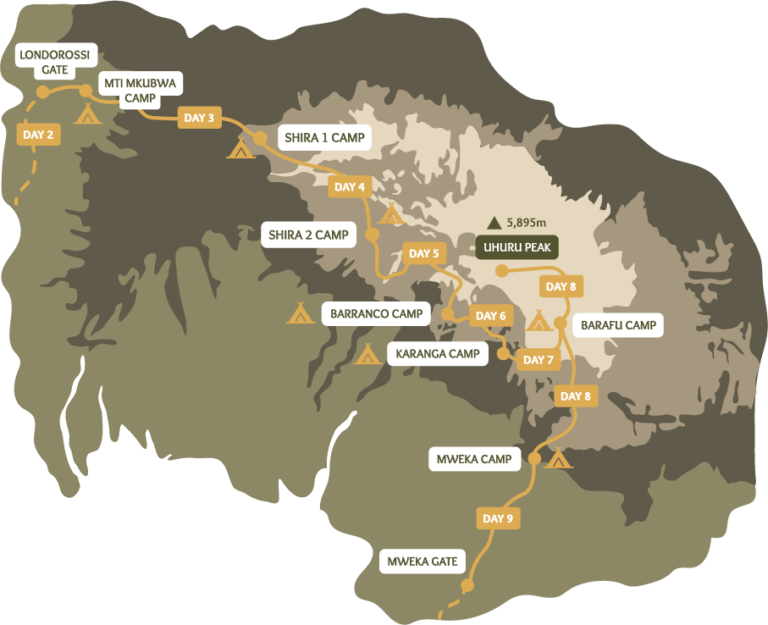
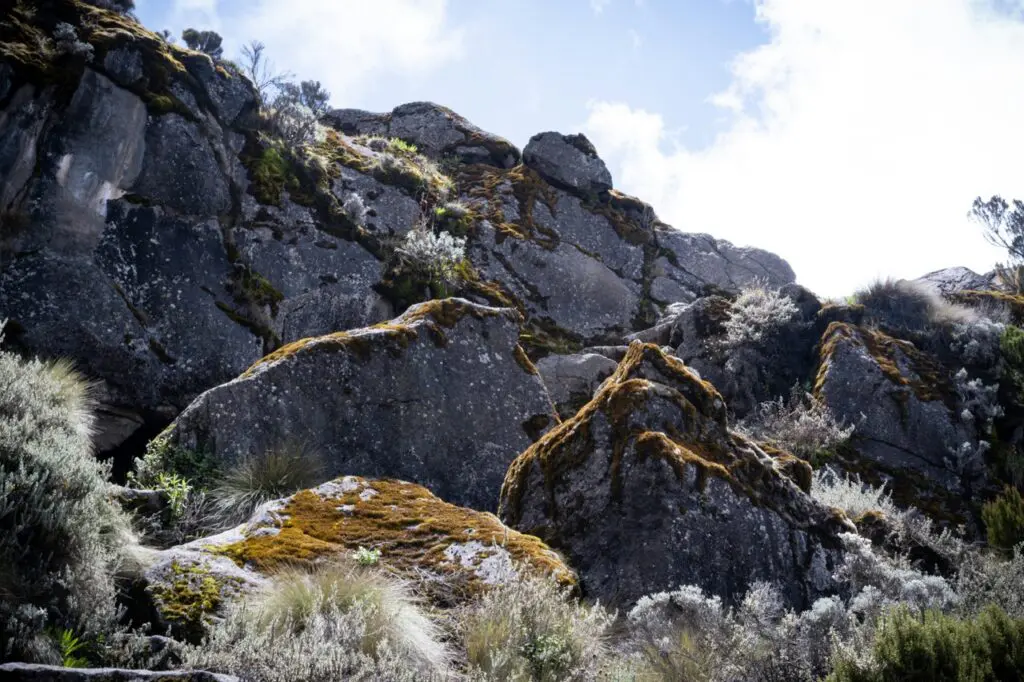
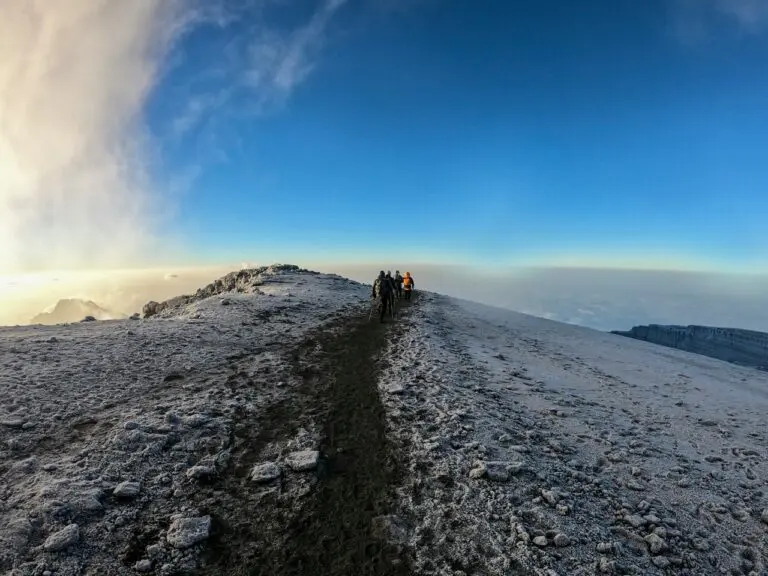
Over about 70 kilometres you climb from 2,360m through five climate zones: cultivated farmland around the gate, rainforest, the open moorland of the Shira Plateau, alpine desert of scree and lava rock, and finally ice and glacier on the crater rim. You walk pole pole (slowly, slowly), while a crew of guides, porters and cooks moves ahead, so camp is standing by the time you arrive.
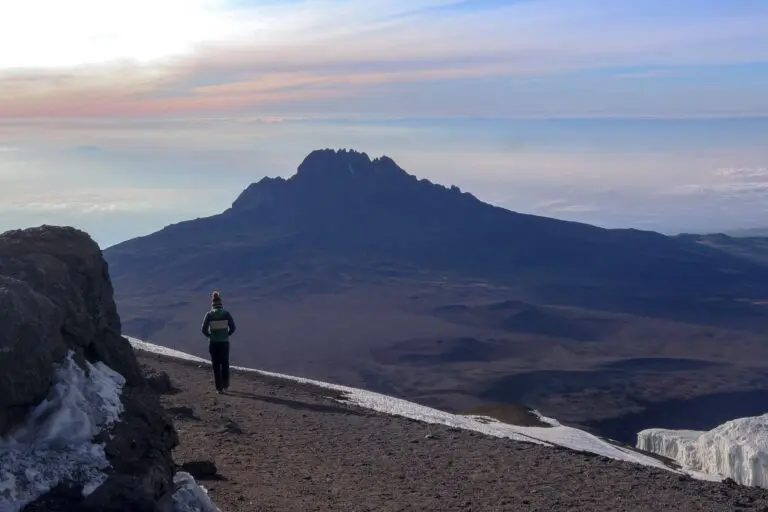
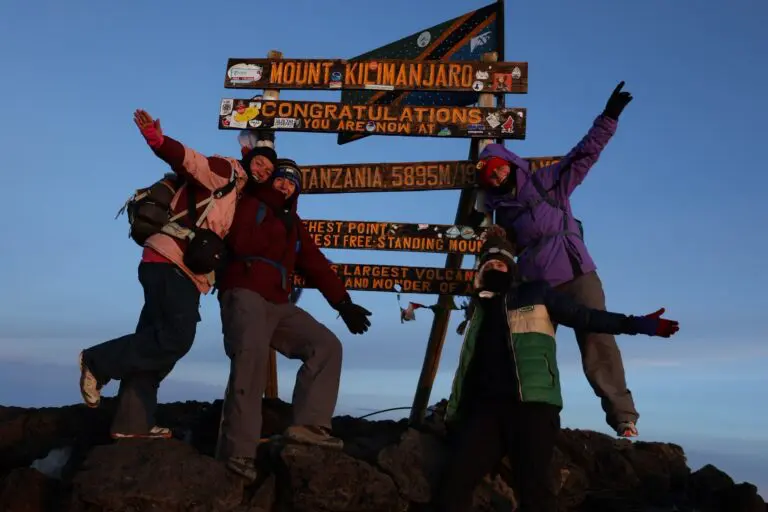
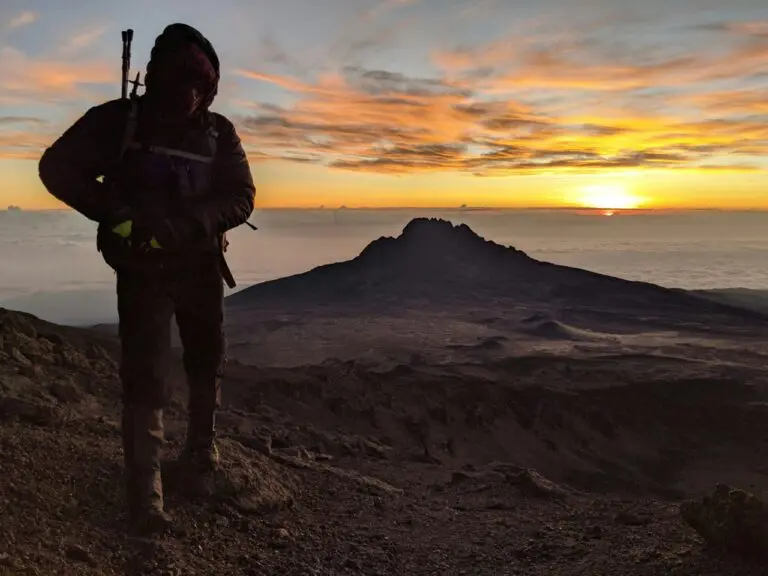
Summit night begins around 01:00, by head torch. The sun comes up while you are still climbing, and a last stretch along the rim brings you to Uhuru Peak: 5,895m, the highest point in Africa. And you will have walked every metre of it.
Climbing Kilimanjaro on your own takes a lot of arranging: park permits, campsites and a licensed local crew all have to be booked and paid for well in advance. We take care of all of it, so you can focus on the mountain.
Your local guides keep an eye on the weather and will change the day’s plan when it asks for it. Here is how your climb looks, day by day: ten days from arrival to departure, eight of them on the Lemosho Route.
The very first Kilimanjaro Trail pilot edition runs from 15 to 24 February 2027, with only a very limited number of places. Your outbound flight is on 14/02 in the evening and your trek runs from 16 to 23 February.
The base price for this climb starts at € 2,489 per person early bird price. That covers the full organisation of the trip.
Included in the base price
* It also covers your park fees, around $ 1,122 per climber. Tanzania charges a conservation fee, a camping fee and a rescue fee for every day you spend inside Kilimanjaro National Park, and on an eight-day route those add up to roughly a third of what you pay. Some operators quote a price with the park fees left out. Ours are in.
You can add options to your booking — you will find them here.
Fly with us — Ethiopian Airlines, return from Brussels: €915 (checked bag 23kg: +€65).
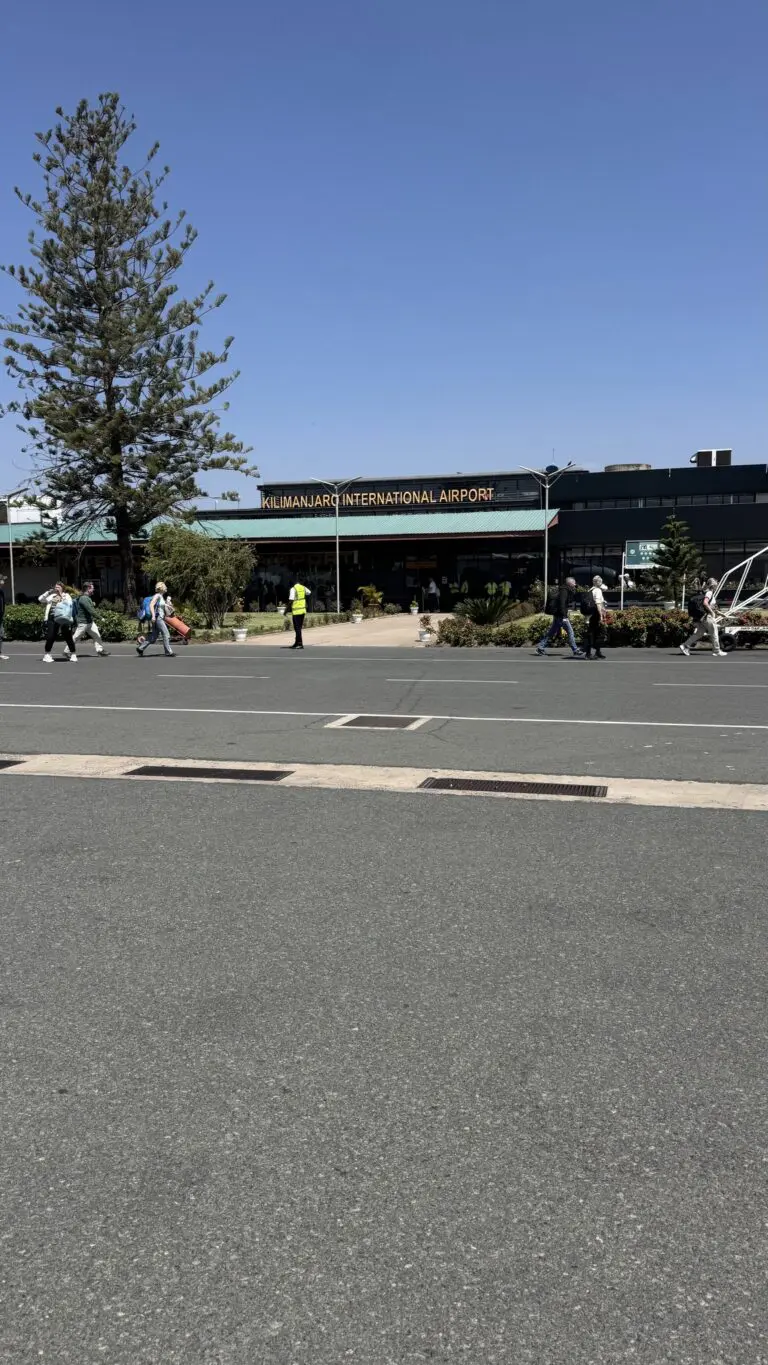
Booking your own flight? Land at Kilimanjaro Airport on 15 February — Google Flights is the quickest way to compare.
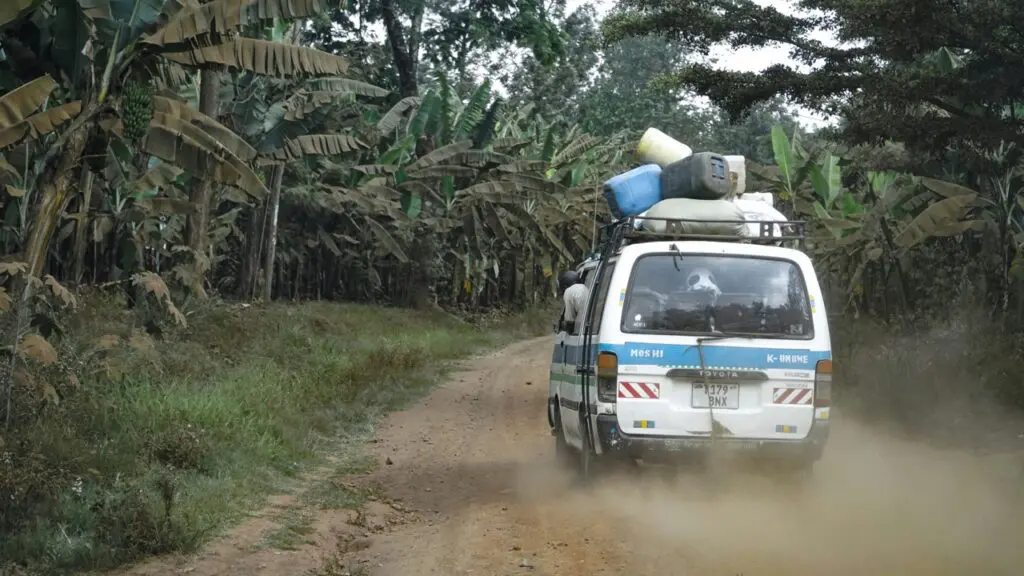
You can join the group shuttle to Moshi as an option.
Medical travel insurance that covers high-altitude trekking is mandatory on this climb. You cannot join without it. Standard policies routinely exclude trekking above 4,000m and this route reaches 5,895m, so check the altitude limit in your own policy rather than assuming you are covered.
You can add a policy through us as an option, or arrange your own.
Got questions? Have a look at our FAQ.
€65
€65
Come down from the mountain to a hot shower and a real bed in Moshi before you fly home.
Travelling on your own? You share a room with another participant, or choose to book a single room.
€65
€65
Booked your own flights? Join the group shuttle between Kilimanjaro Airport and Moshi, at the group’s times.
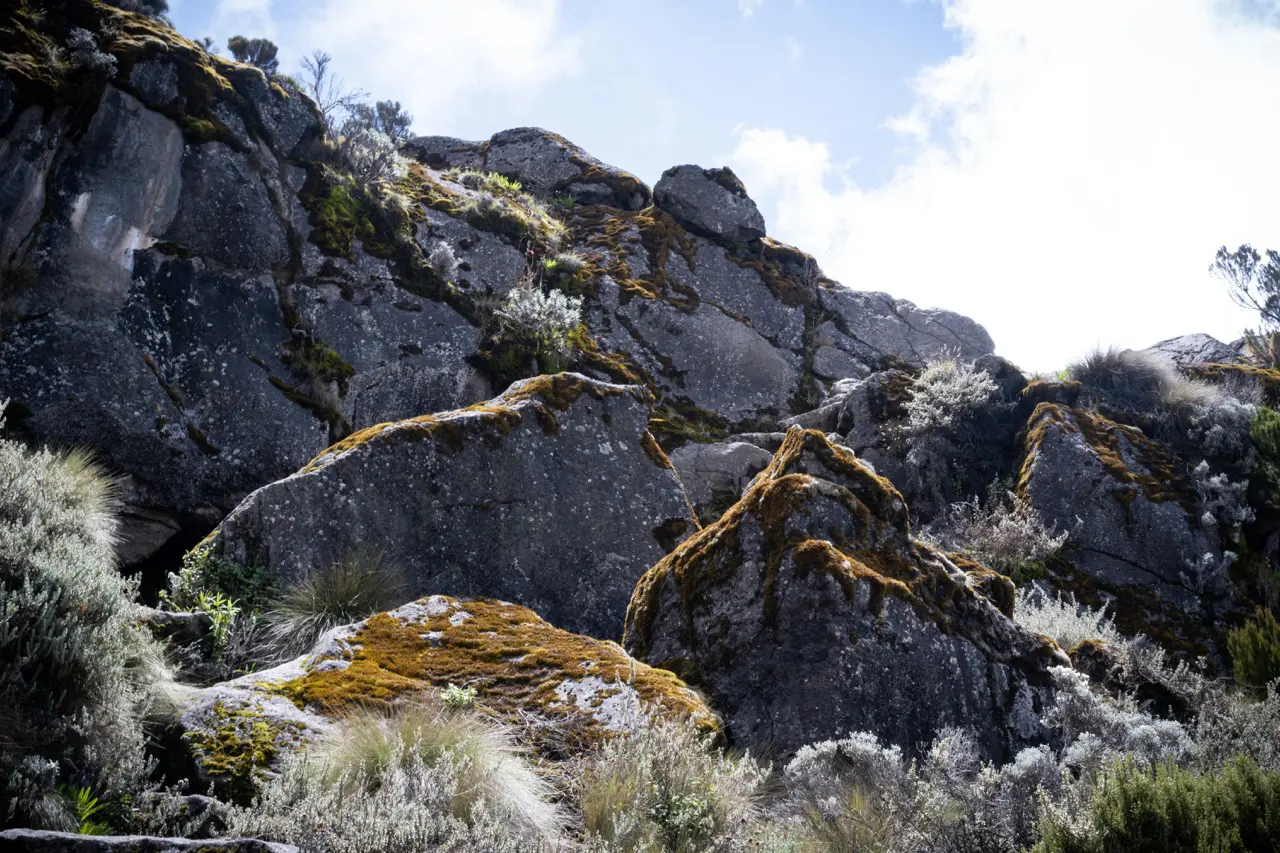
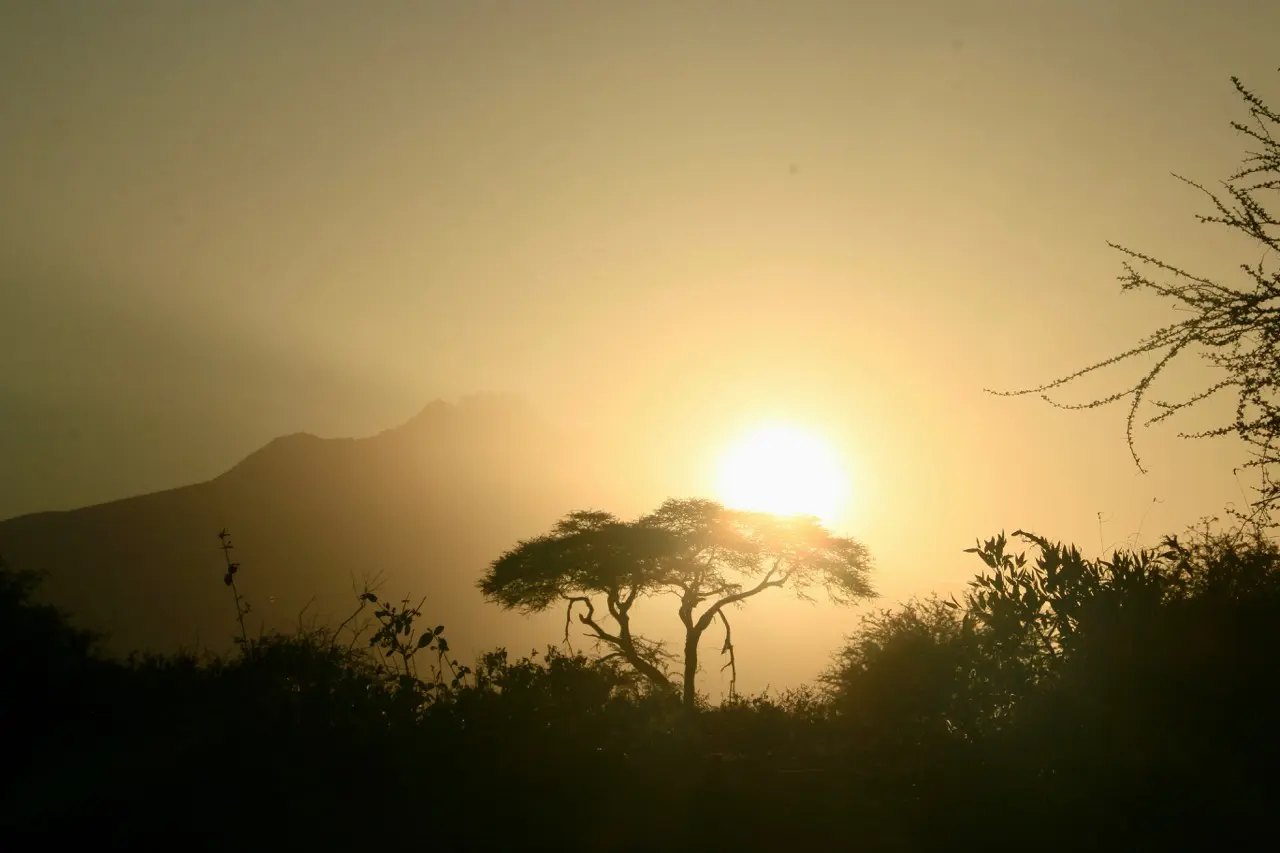
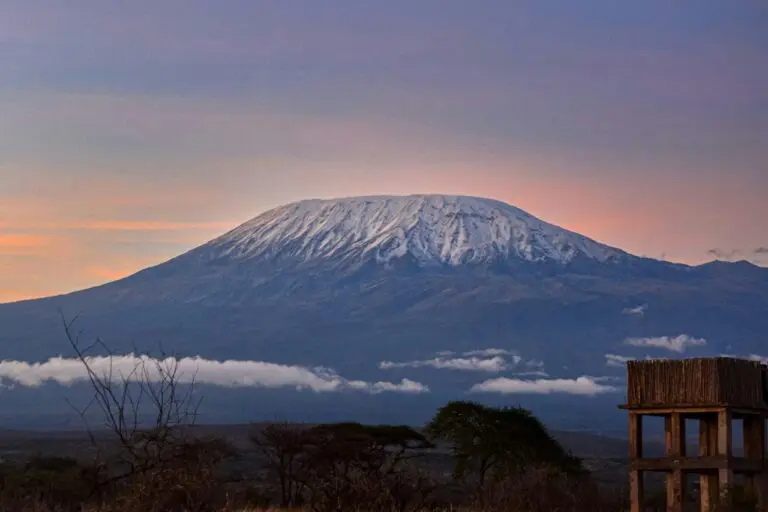
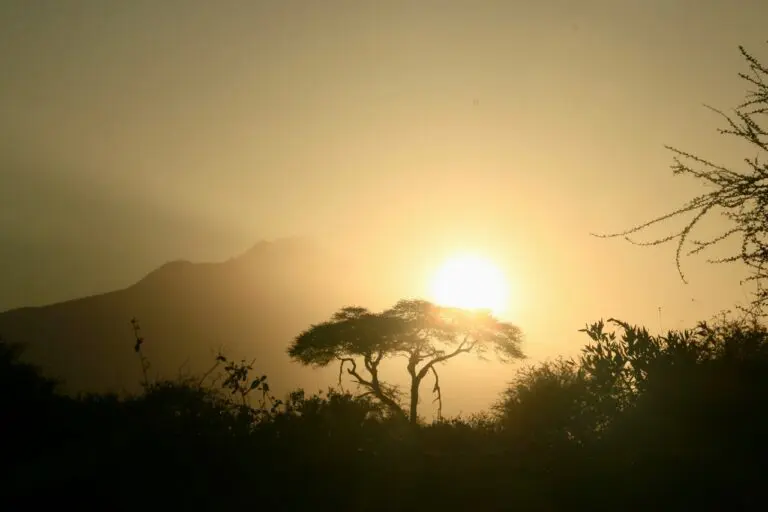
This is a genuinely hard trip, and that is most of the appeal. How hard a climb feels depends on a lot of factors, the four below should let you judge honestly whether this one suits you.
If you have never done a multi-day trek at altitude, start the preparation early and consider doing one of our other trails before. If you are unsure, email us before you book, we would far rather have that conversation now than halfway up.
Some tips:
Some tips:
Some tips:
Some tips:
Ready for the peak of Africa?
15 – 24 February 2027
For this first edition we offer only a few places, so preregister now and get:
Not available on these dates? Preregister anyway and we’ll let you know as soon as we open new dates.
Thanks to your preregistration you’ll get an exclusive registration link on 14/10 at 16h00 (CEST).
Others will be able to book 24 hours later.
You can always email us for more on this trip. Below are the questions we get most.
On top of the base price, budget for tips for the crew, your visa, your flight and your travel insurance. The amounts are under What’s not included. We put them together in one place deliberately, so nothing catches you out in Moshi.
No. You need no climbing experience and no technical gear, this is eight days of walking at altitude. What does help is experience of multi-day walking and a solid base of fitness.
Three meals a day, cooked by our cook and eaten in the dining tent. Warm, and more than you think you can manage, at altitude your appetite disappears exactly when your body needs more. Eating and drinking are part of acclimatising.
Yes, and it is mandatory. You need medical travel insurance that explicitly covers high-altitude trekking. You cannot join the climb without it.
Standard policies routinely exclude trekking above 4,000m, and this route reaches 5,895m. Check the altitude limit in the policy itself. Your national health insurance will not cover medical evacuation abroad.
No vaccination is compulsory if you fly directly from Belgium with a short connection in Addis Ababa. A yellow fever certificate is required if you transit more than 12 hours in a risk country such as Ethiopia.
If your layover in a risk country is shorter than 12 hours, keep your boarding passes (paper or digital) as proof of your transit time, in case you’re asked for a yellow fever certificate on arrival.
Malaria is present at low altitude (Moshi), so ask your doctor or a travel clinic about prevention at least 6 weeks before departure. Hepatitis A, tetanus and typhoid are recommended. A medical check-up before a high-altitude climb is strongly advised.
It happens, and it is not a failure. Your guides decide with you whether it is safe to keep going, based on your oxygen saturation and your Lake Louise score. Anyone descending is accompanied by an assistant guide and a porter, you are never left to go down alone. The mountain will still be there the next time.
Our climb takes eight days on the mountain, inside a ten-day trip: a day to arrive in Moshi, eight days walking, and a day to fly home. Routes up Kilimanjaro run from five to nine days.
We take eight rather than the more common seven because the extra day is spent acclimatising rather than covering ground, and time at altitude is the thing that decides most summit attempts.
Physically it is long rather than technical: seven walking days of three to seven hours, then a summit night of twelve to fifteen. There is no climbing and no technical gear, if you can walk easily 20km over hilly ground and you train beforehand, the walking itself is within reach.
The altitude is the real difficulty, and it does not care how fit you are. That is why the route is built around acclimatising and why your guides check your oxygen saturation every day.
Kilimanjaro has two dry seasons: January to early March, and June to October. Both give the clearest skies and the most settled weather, and both are used for summit attempts. The long rains in April and May and the short rains in November are best avoided.
Our departure dates are below under Dates and availability.
Stay up to date with the latest news and our best trips, plus tips, tricks and the odd perk.